 by: Wulfy
 Categories:
In the small world of the Japanese video game of the 1980s, each machine had its clan. PC-8801, X1, FM-77AV, MSX, MSX2, Famicom, PC-9801 : everyone defended his support as if his life depended on it. And then T&E Soft, already known for the exceptional Hydrlide or the sublime Laydock, tried a completely crazy project: creating a great saga of science fiction spread over seven different games, each developed for a precise machine, with its own hero, its own point of view and its own technical specificities.
This series is DAIVA, or Active Simulation War DAIVA.
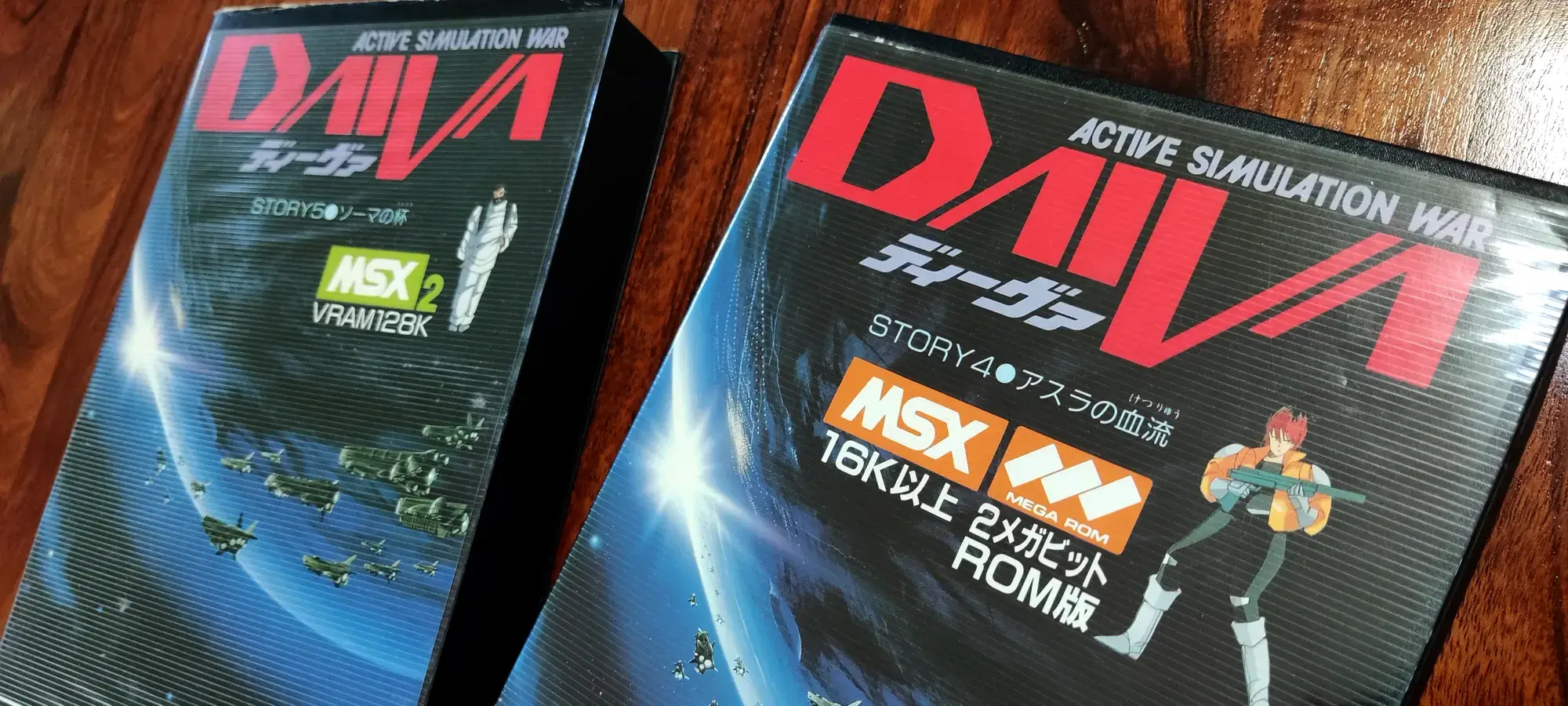
The idea was not to play a game and then convert it to the chain, as often happened. DAIVA wanted to take the problem backwards: each machine owner had to have "its" version, thought for its material, but all versions belonged to the same galactic war. In other words, no one had the whole story alone.
To understand the whole, you had to look at what was happening in others. For the time, it was quite captivated.
Galactic War in Seven Pieces
DAIVA A mix of space strategy, fleet management, tactical movements, ship battles and horizontal scrolling phases during planetary conquests. The term Active Simulation War was therefore not just there to look pretty on the box. The game wanted to mix the reflection of a space wargame with the direct action of a shooting game or futuristic platform.
The most original is its password system. Players could transfer some war data from one version to another, including ships. A player advanced on one machine could therefore help another player on another machine. Yasuo Yoshikawa, the creator of the project , explained that the objective was precisely to push players to communicate instead of tumbling to know which machine was best. For a 1986-1987 game, the idea was almost social before the hour.
Behind this ambition, there is also a rather harsh human history. Yoshikawa was director, screenwriter and main programmer on DAIVA. The development was so intense that he said he had almost lived in the office for several months, before he ended up hospitalized after a temporary loss of vision due to exhaustion.
We are in the kind of anecdote that recalls that some 8-bit projects were made with passion, but also clearly with health shots left on the table.
See the excellent interview of Yasuo Yshikawa on the website of Time Expension by John Szczepaniak
My discovery of DAIVA on MSX
For my part, DAIVA has long been some kind of Grail. After playing Laydock on MSX2, one of the great titles of T&E Soft on the machine, I was able to get at the time a pirate copy of DAIVA Story 5 : The Cup of Soma on MSX2.
The game was in Japanese, of course, but it was still possible to play it and understand the main mechanics because many orders were despite its origin in English. Strategy phases, fleet movements and fighting were fascinating. To me, it was a wonder.
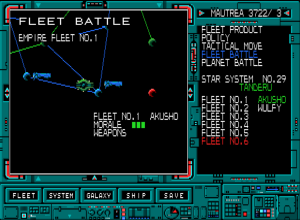
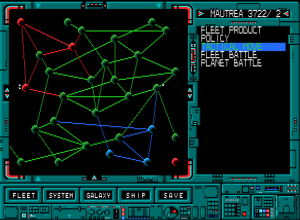
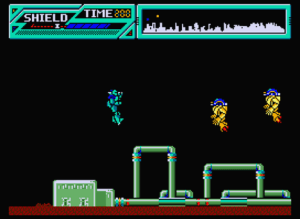
I still see myself playing on my Sony HB-F700F, sometimes at two o'clock in the morning, completely captivated by this atmosphere of galactic war. What a foot. There was in DAIVA this rare mixture of science fiction, management, action and mystery.
Even without understanding the story in detail, it was felt that something bigger was happening than a simple spatial action game.
Lack of recognition in France
In France, on the other hand, the culture of the Japanese simulation game was clearly not at its peak, and the specialized press did not really measure the scale of the game. DAIVA. It must be said that the context did not help: only the MSX episodes could actually circulate at home, sometimes informally, and the other versions remained confined to Japanese machines that very few French players knew or owned. Except Laydock on MSX2, games T&E Soft have not benefited from a true official distribution in France. So, imagining that the same universe could be divided between PC-8801, FM-77AV, X1, MSX, MSX2, Famicom and PC-9801 was almost science fiction for the average French player of the time. There was a cultural, technical and commercial gap that the French press did not really have the means, or perhaps the desire, to cross.
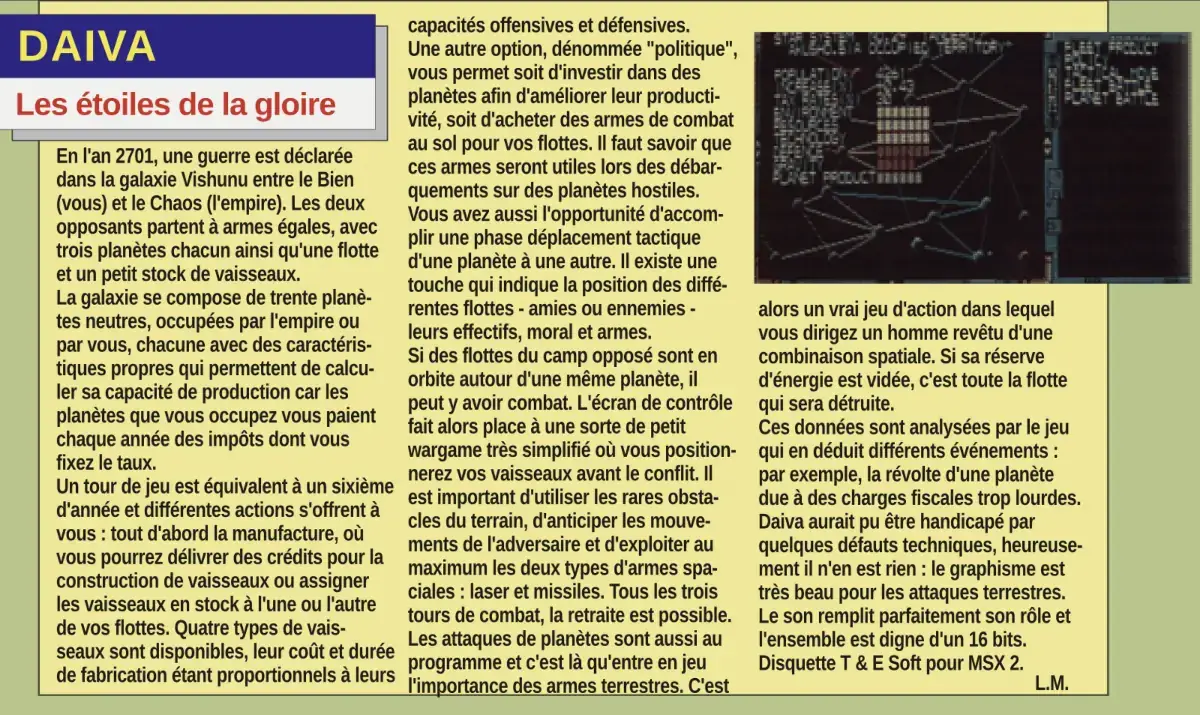
Article signed Ludovic Monnerat in Micro News n°24, September 1989. And here, let's be frank: we have the impression that DAIVA was summed up from a few elements recovered elsewhere, without real control of the game, or at least without understanding its deep logic. The test evokes fleets, planets and action phases, but misses the essential: DAIVA was thought of in Japan as a strategic multi-machine saga, not as a simple game MSX2 a little weird. In short, a fine example of the very variable seriousness of the micro press of the time.
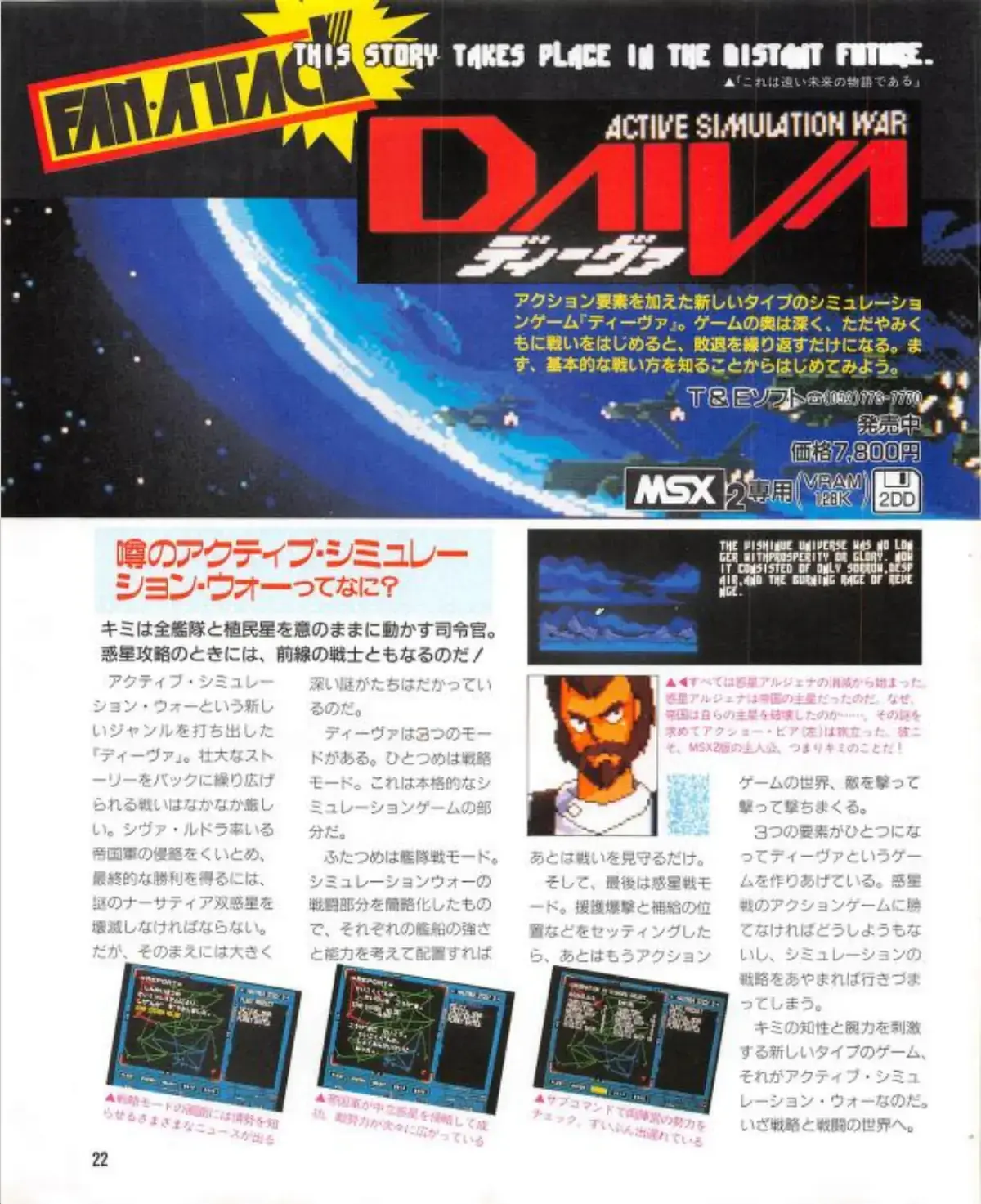
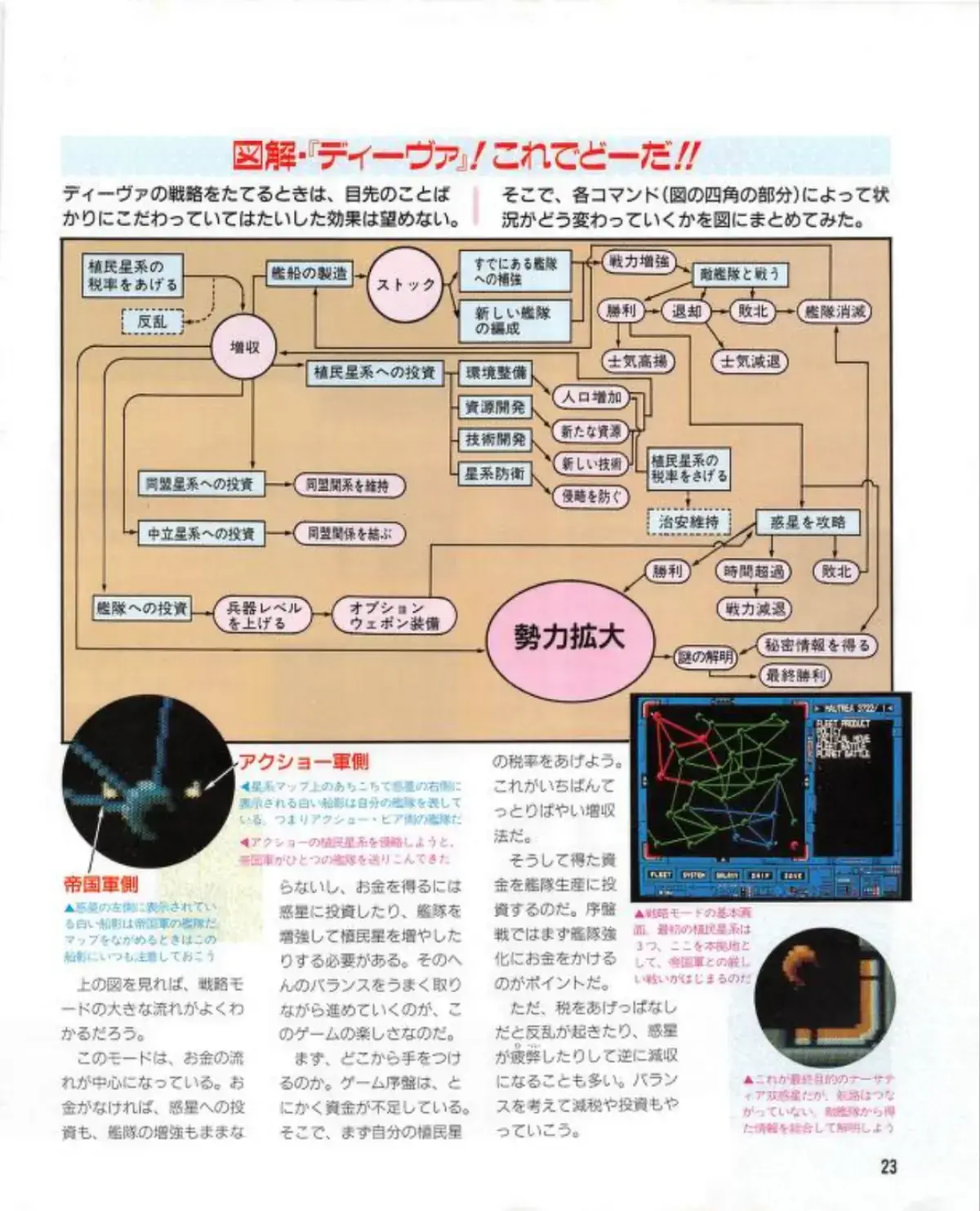
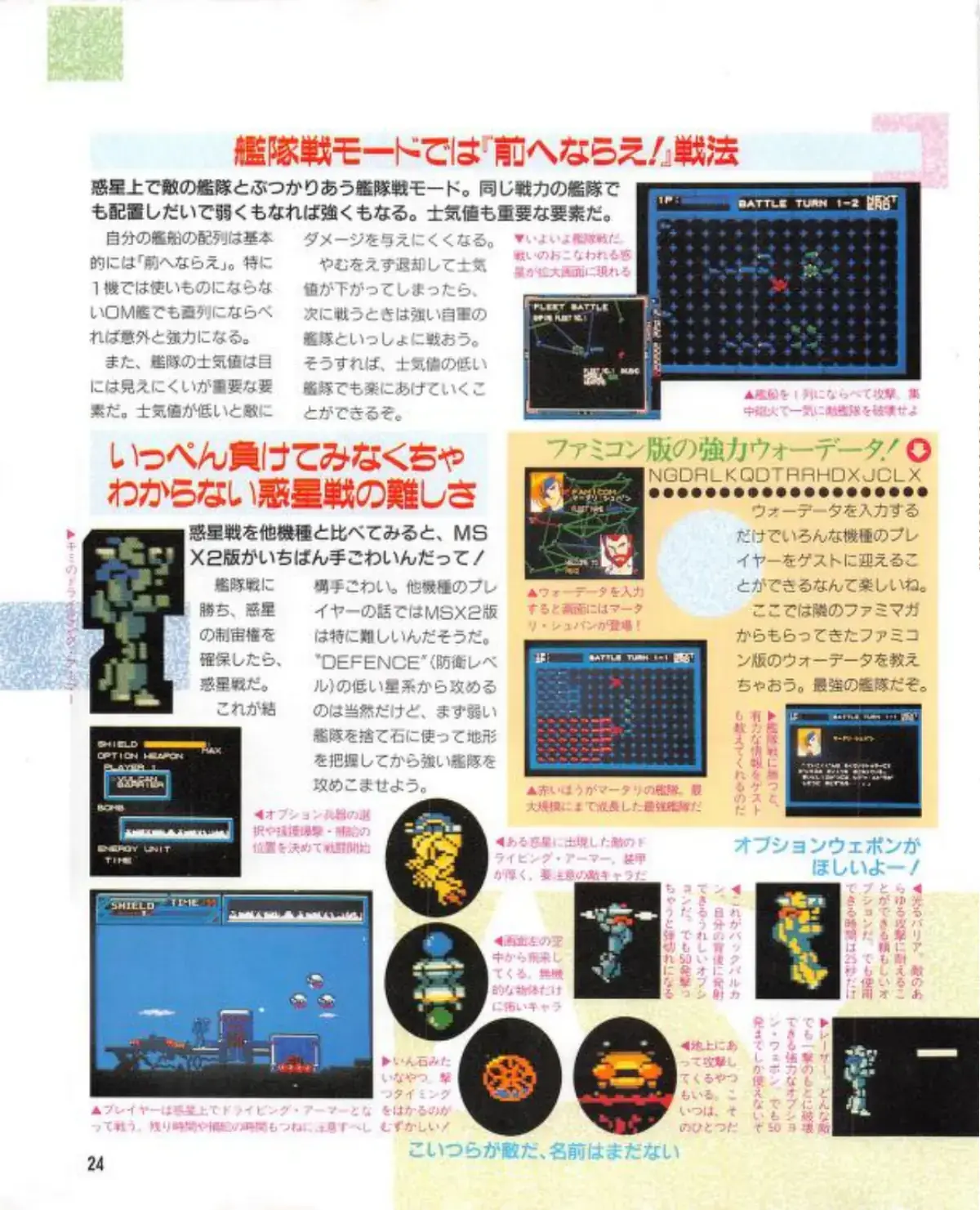
In the Japanese press, DAIVA is not treated as a simple, somewhat obscure MSX2 game, but as a real strategic saga to understand. These pages of MSX・FAN show the gap in perception: great visual staging, detailed explanation of mechanics, progression patterns, tactical advice and recall of the multi-machine concept. In places where some French articles seem mainly to overfly the subject, Japanese treatment places DAIVA in its real ambition: a transversal project, conceived as a galactic war deployed on several media.
I then managed to find the MSX1 version, DAIVA Story 4: Asura, at MSX Video Center, in a somewhat informal purchase as could be done at the time. The store managed to import some Japanese games and sell them in Paris. I enjoyed it!
At the moment, I felt like I had the same game in less beautiful. Which was quite logical: I wasn't reading Japanese, and so I wasn't really aware that it was actually another episode, with a different story, but located in the same universe.
In hindsight, that's exactly what makes DAIVA So particular. On MSX, we had Story 4. On MSX2, we had Story 5. Two machines from the same family, two different games, two points of view in the same science fiction fresco. At the time, this subtlety was totally above the head. I saw above all the graphic difference between MSX1 and MSX2, and necessarily my heart was leaning towards the MSX2 version.
It was only later that I realized that DAIVA Also existed on other Japanese computers and consoles. J. had first had a glimpse of Japanese magazines purchased from JunkuIn Paris. I wasn't really reading Japanese, but I was looking at screenshots, box photos and presentation pages trying to reconstruct the puzzle. We did as we could, with the means of the time.
In the 2000s, with the arrival of auction sites and much easier access to the Japanese market, I started looking for other versions. Not necessarily to play it. At this point, it was something else. I wanted to gather all the pieces of this unlikely project, to find every episode, every jacket, every support. The thirst of the compulsive collector, I confess.
But that's also why DAIVA remains a series apart for me. It is not only a historical curiosity of T&E Soft. It is a memory of a MSX player, an open door to the Japanese game of the 80s, and a pretty crazy example of what a publisher could try at a time when each machine had its own identity.
The seven episodes of DAIVA
Before reviewing the seven episodes, one must keep one thing in mind: DAIVA is not a classic series with a first game, a sequel, then a linear conclusion. Each version tells a different fragment of the same galactic war, with its own protagonist, its own support and sometimes its own gameplay choices. The player MSX therefore did not live exactly the same story as the player MSX2, PC-8801, X1, FM-77AV, Famicom or PC-9801. It is precisely this broken construction, both ambitious and a bit crazy, that makes the saga so fascinating today.
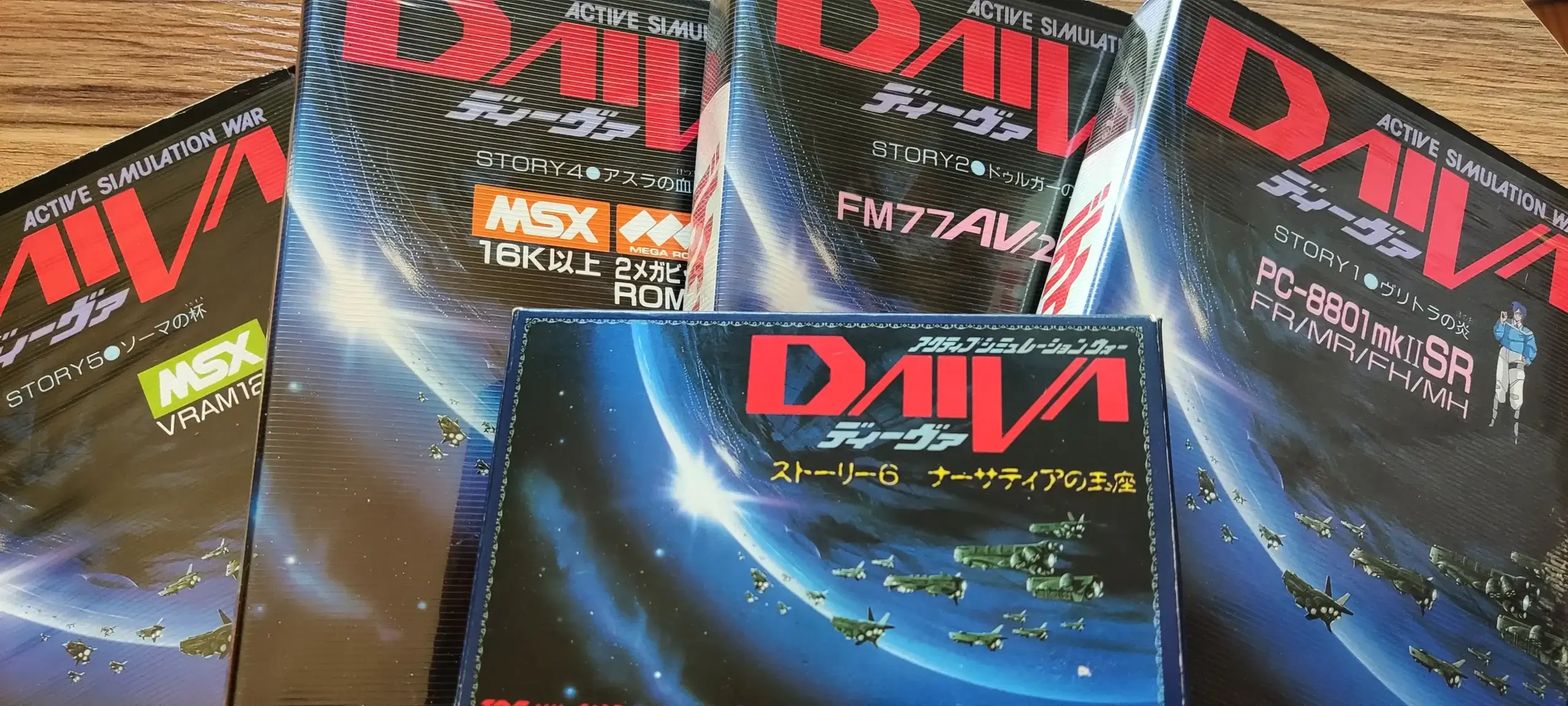
Story 1: Flames of Vritra, PC-8801 mkII SR
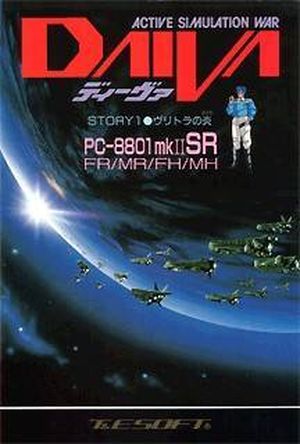
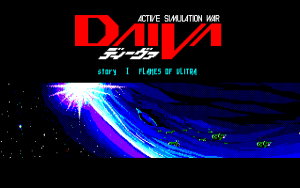
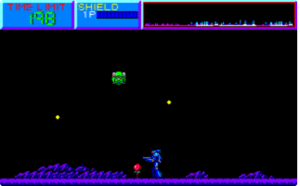
The first chapter shows Rushana Patty ( Vertra and the loss of his planet. The version PC-8801 mkII SR bet on support FM and on an 8 color display with superimposed scrolling effects. It is one of the episodes that sets the general tone: dramatic space opera, interstellar war and atmosphere of great Japanese SF fresco.
Story 2: Memory in Durga, FM-77AV
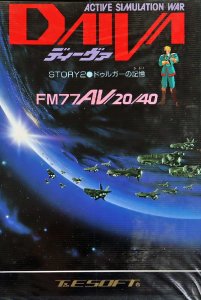
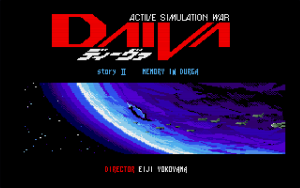
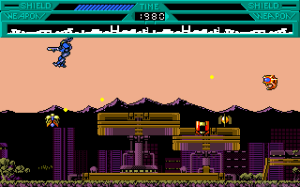
Memory in Durga is the episode FM-77AV. Her hero, Amitabha (save chaos at the head of its fleet, while the scenario plays on separation, war and loss. The version FM-77AV benefits from the graphic qualities of the machine, including a more colorful display and a smoother material scrolling. It is typically the type of version that justifies the very principle of DAIVA Each machine has the right to an approach that exploits its forces.
Story 3: Trial of Nirvana, Sharp X1
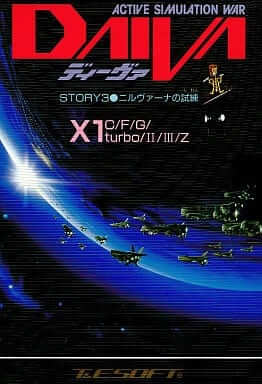
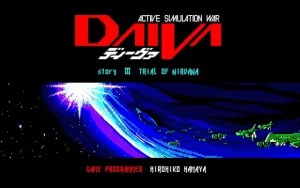
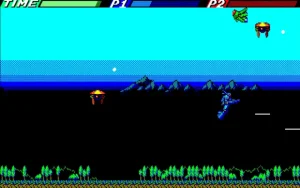
On Sharp X1, Trial of Nirvana Next Amogha Siddhi A master attached to a battleship equipped with a biological computer called Nirvana. This version is distinguished by a full screen scrolling card and card support FM. We stay in the same war, but with another angle, another protagonist and another machine highlighted.
Story 4 : Asura
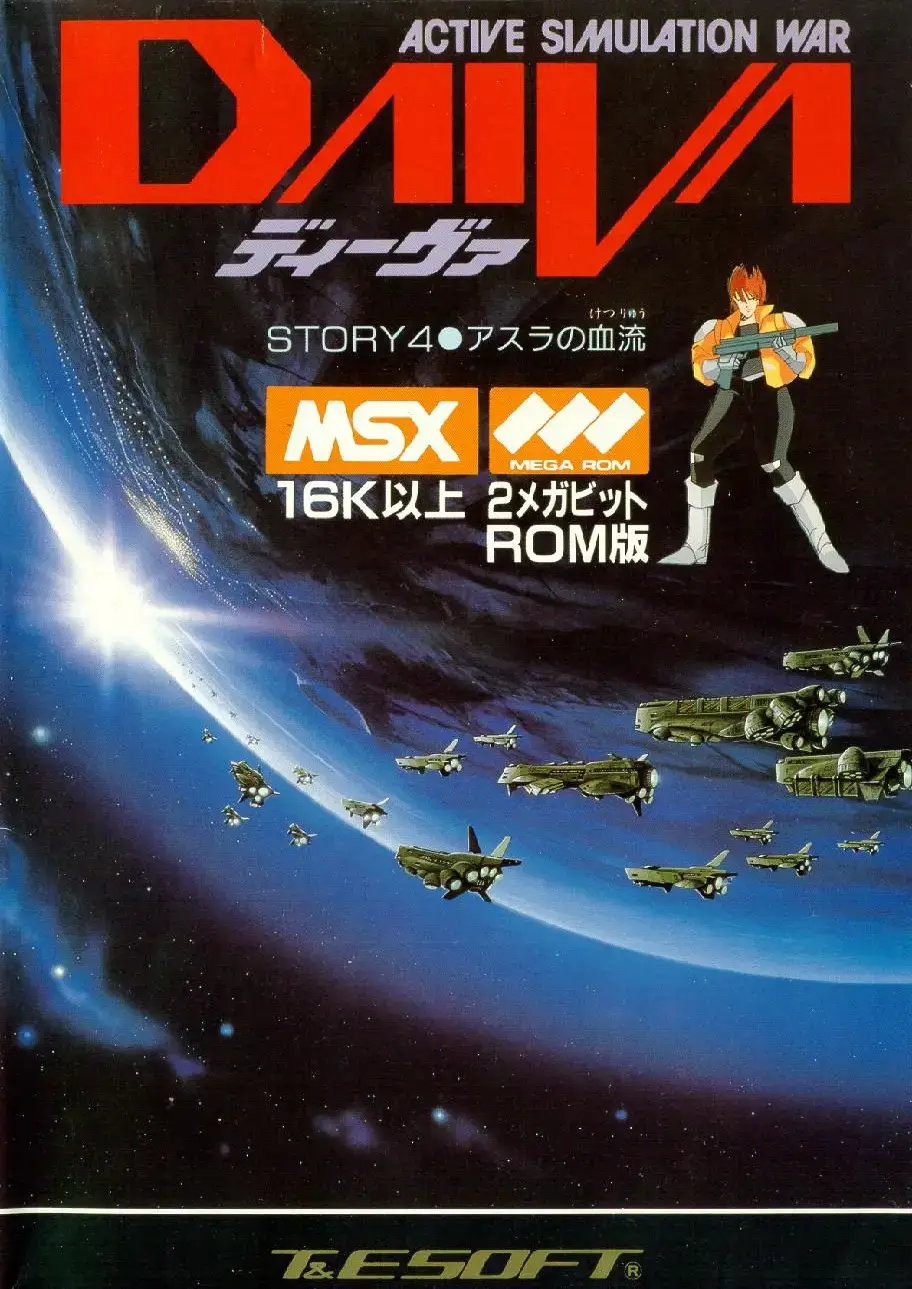
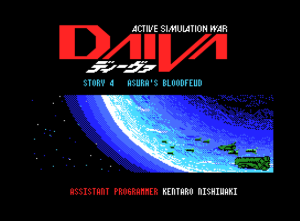
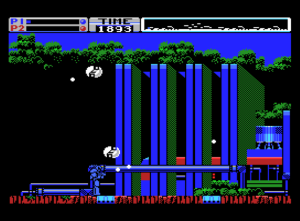
It is obviously the episode that speaks to us most directly on Universe MSX. DAIVA Story 4: Asura exit on MSX in 1987In cartridges MegaROM of the 256 KB.
The hero of this episode is Ratna Sambha ( Technically, it's a beautiful curiosity: T&E Soft sought to propose on MSX a version comparable to other microcomputers, despite the constraints of the machine. The presence of a cartridge MegaROM is important because we are not on a small, compressed production to "make a MSX version". It's a real saga chapter. The sound is therefore confined to the only PSG (3 votes) from the machine back then.
Story 5: The Cup of Soma, MSX2
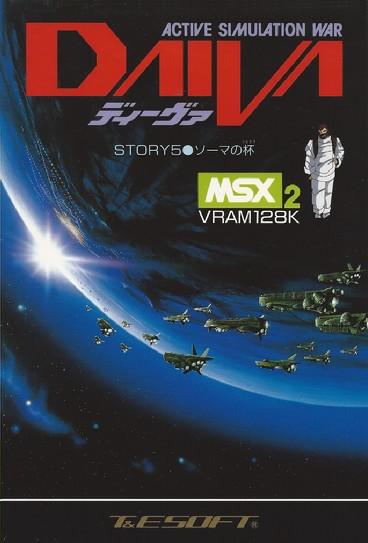
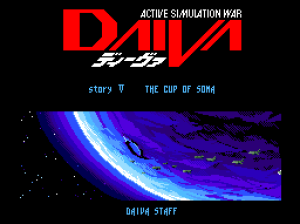
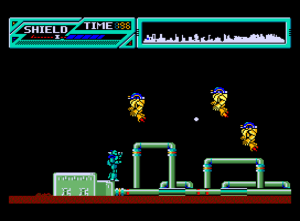
DAIVA Story 5 : The Cup of Soma is the episode MSX2, also released in 1987. This time, we're on 3.5 inches double-sided diskette of 720 KB, with backup on disk. 64 Kb RAM, 128 Kb VRAM, son PSG and keyboard support.
The protagonist is Aksho Bhya Science related to Soma, a substance associated with body and life regeneration. The version MSX2 is naturally more visually comfortable than the version MSX1, with a richer interface and a more "high-end Japanese micro presentation". For a collector MSX, the duo Story 4 and Story 5 is particularly interesting, as the MSX and MSX2 do not simply receive the same adapted game: each has its own chapter.
Story 6: Imperial of Nirsartia, Famicom
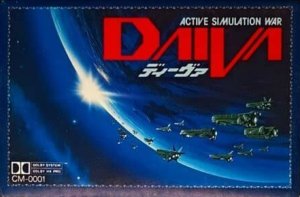
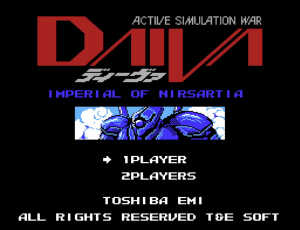
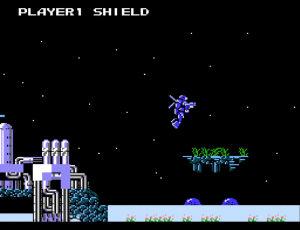
Imperial of Nirsartia is the episode Famicom, released December 1986. It is sometimes translated more literally by Throne of Nirsartia. T&E Soft did not publish it directly: the Famicom version was released at Toshiba-EMI. Yasuo Yoshikawa (Planner, Director, Screenwriter and Main Programmer...bref the brain of the saga!). explains that the Famicom imposed other constraints, which gave a more action-oriented episode, with a system more accessible than the micro versions.
The player embodies it Matari Shuvan In a chapter centered on the throne of Nirsartia. The Famicom version simplifies part of the simulation dimension to favour a more direct, more nervous approach, adapted to the console audience. Interesting particularity: The game offers four levels of difficulty, but only the games played at the highest level allow to generate the famous War Data, indispensable to participate fully in the exchange system between episodes.
Story 7 : Light of Kali Yuga, PC-9801
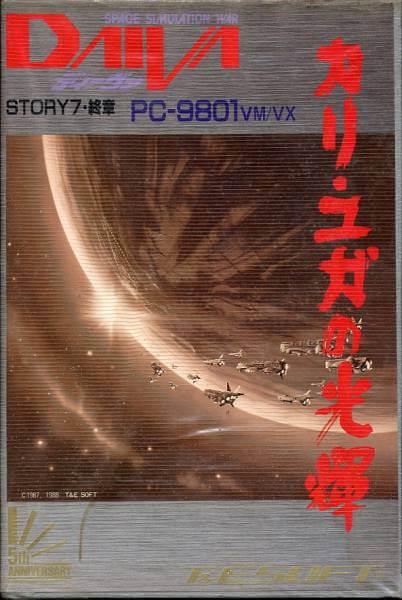
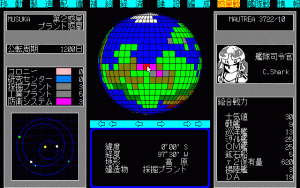
It is also the most different episode in its structure: on PC-9801, the phases of planetary action disappear. The invasions remain present, with orbital bombardment and deployment of Driving Armor, but they are treated as a component of simulation rather than as a real playable action passage. The game design is also completely different.
Last chapter of the saga, Light of Kali Yuga arrives on PC-9801 to the end of 1987. This episode features Krishna Shark and presents itself as the conclusion of the great fresco DAIVA. More simulation oriented than other versions, it exploits the higher-end positioning of the PC-98 with a more strategic approach, denser, and less immediately action-oriented than the Famicom episode.
Story 7 also has the peculiarity of proposing a main scenario, Light of Kali Yuga, accompanied by several subscenarios inspired by the events of the other episodes. It is therefore almost a summary chapter, thought to gather the pieces of the puzzle and give a more global view of the galactic war imagined by T&E Soft.
Other important detail for collectors: DAIVA Story 7 existed in two physical editions on PC-9801, a version on diskettes 5 inches and a version on 3.5 inches diskettes. Same game, same final chapter, but two packagings adapted to different configurations PC-98 of the time. Of course, when we start collecting DAIVAThis kind of subtlety quickly becomes a new excuse to go back hunting.
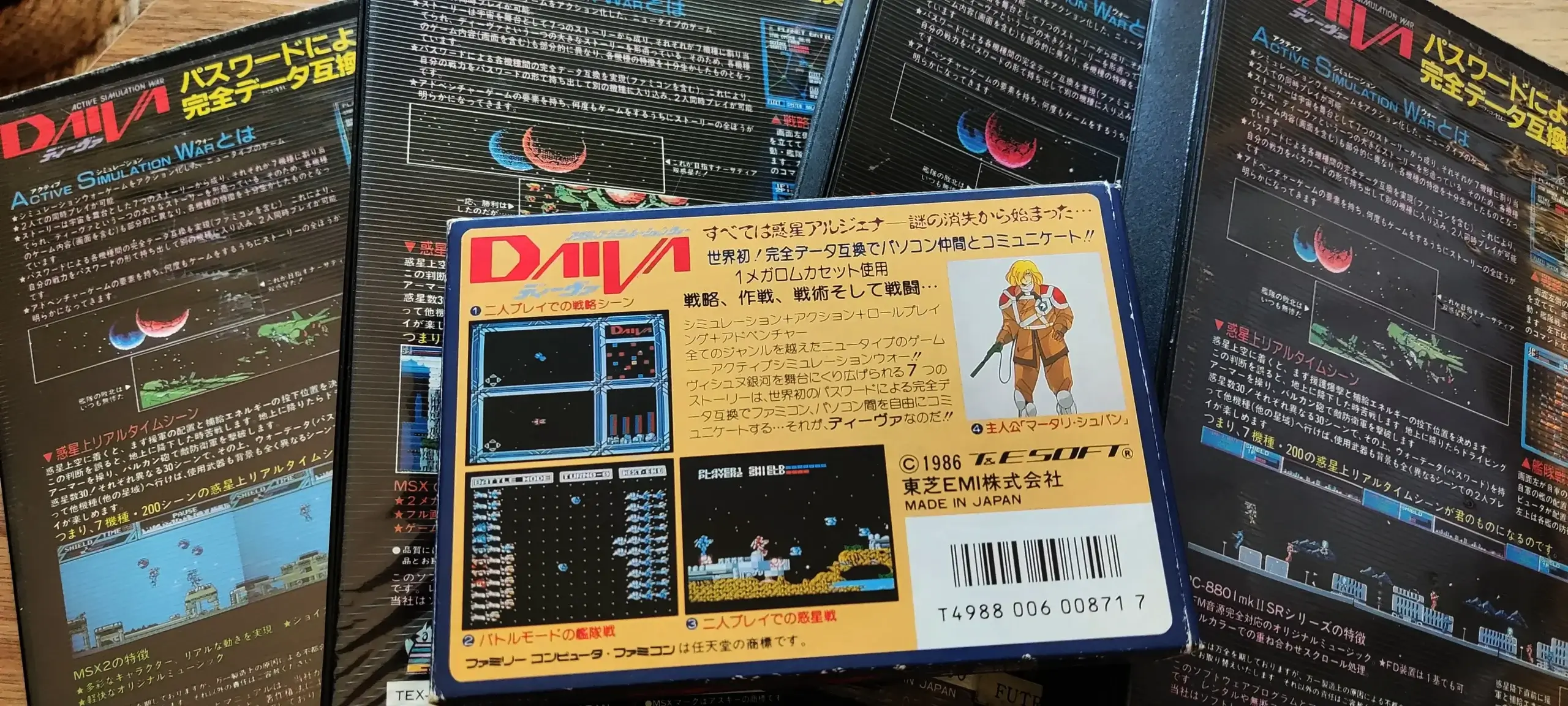
DAIVA, T&E Soft's seven connected worlds
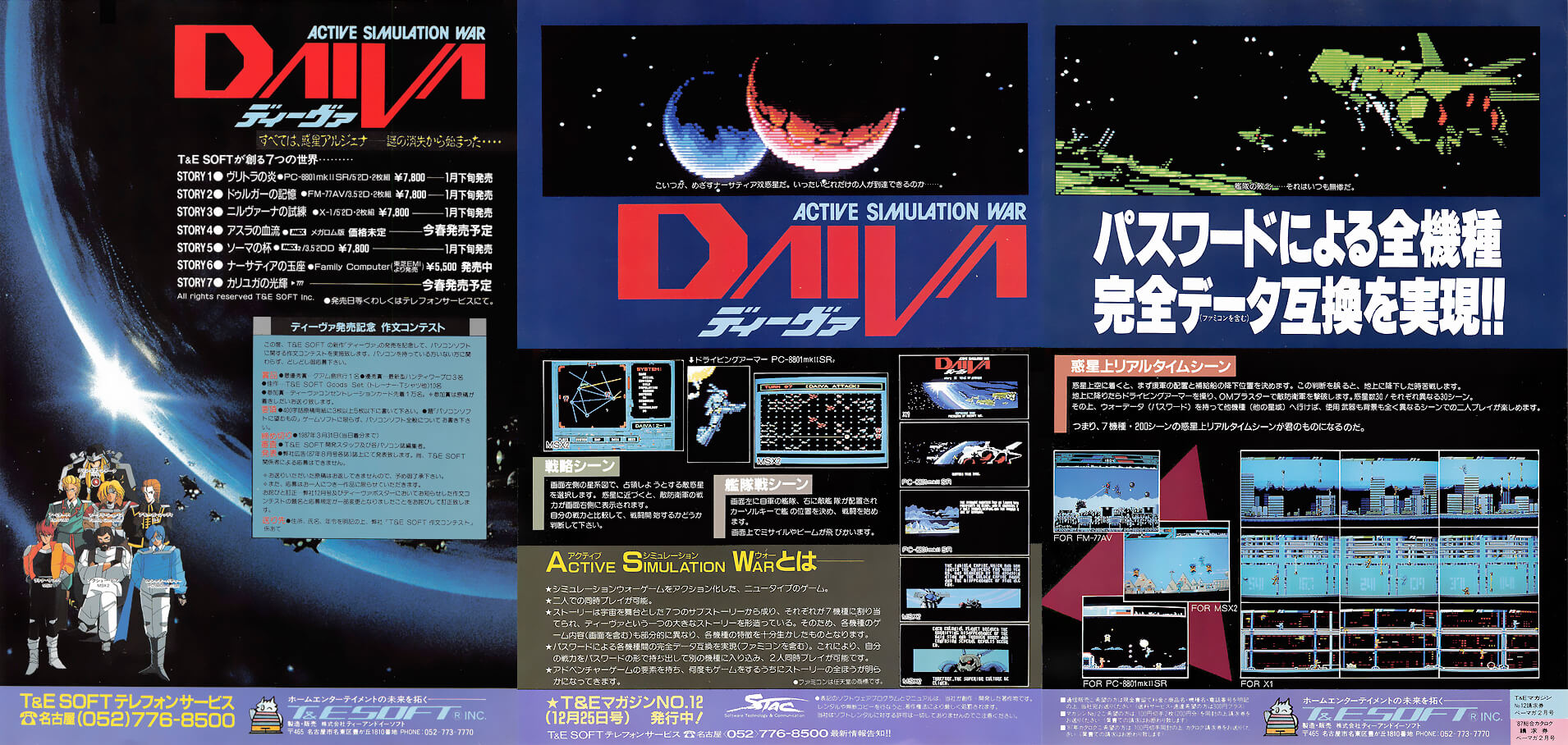
The promotional flyers of the time clearly show how much T&E Soft wanted to make DAIVA an out-of-standard project. The series is presented as "the seven worlds created by T&E Soft", with a strong central argument: the compatibility of data between all machines thanks to passwords. The player was therefore invited not only to buy his version, but to participate in a larger galactic war, distributed on PC-8801, FM-77AV, X1, MSX, MSX2, Famicom and PC-9801. The documents also highlight the five main game modes: fleet production, politics, tactical displacement, fleet combat and global combat. For 1986-1987, ambition was quite incredible.
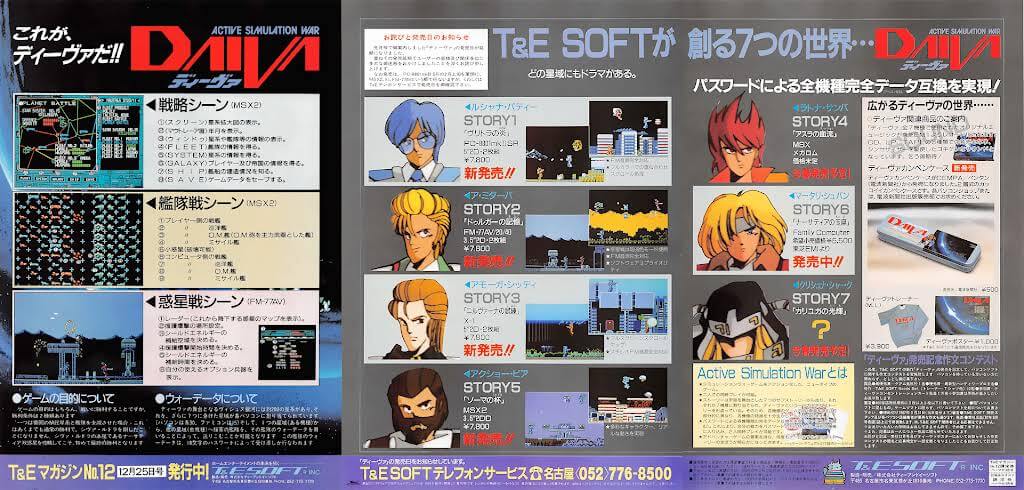
On these documents, the MSX and MSX2 versions are clearly treated as two separate episodes: Story 4 for the MSX, Story 5 for the MSX2. This detail is important because it shows that T&E Soft did not consider the MSX as a mere secondary medium. The machine had its own chapter in the DAIVA fresco, while the MSX2 received another episode, more visually ambitious.
Why is DAIVA still fascinating today?
Let's be clear: DAIVA is not necessarily the easiest series to take in today. The interfaces are very Japanese, the rhythm is particular, and the language barrier can quickly calm the most curious. Even if the basic actions are in English.
But historically, it's a separate piece. Few series have attempted such an ambitious concept: seven media, seven views, one war, and a password-based machine communication system.
For lovers of MSX, DAIVA has a particular flavor. The MSX Received Story 4 In cartridges MegaROM, while the MSX2 Received Story 5 on diskette. Two generations of the family MSX, two separate episodes, two ways to show what the machine can do. This is not just a footnote in the catalogue T&E Soft This is one of the most atypical examples of what Japanese publishers could dare to do in the late 1980s.
The series was later consolidated in DAIVA Chronicle in 2003, then in DAIVA Chronicle Re: in 2019 via EGG project, with the seven episodes, documents, bonuses and archive material. This is probably the best modern way to understand the project as a whole, even though the charm of the original versions, the black jackets and the time supports is obviously incomparable.
The DAIVA online that has never seen before
As if the basic concept was not already ambitious enough, an online episode of DAIVA had also been considered. Title DAIVA: Dr. Amandora, it had to operate on the network THE LINKS of the Nihon Telenet and to target MSX and MSX2 equipped with 64 Kb RAM. The idea was delusional for the time: up to eight connected players, each choosing a starting planet out of sixteen, then participating in a galactic war driven by a host computer, with pre-programmed sessions.
The most surprising is the planned presence of a discussion window between players. In other words, T&E Soft and its partners were already imagining a kind of multiplayer online strategic simulation on Japanese microphone, long before this kind of experience became common. Unfortunately, the project has never been successful, but it confirms one thing: DAIVA was not only an original series, it was an idea lab.
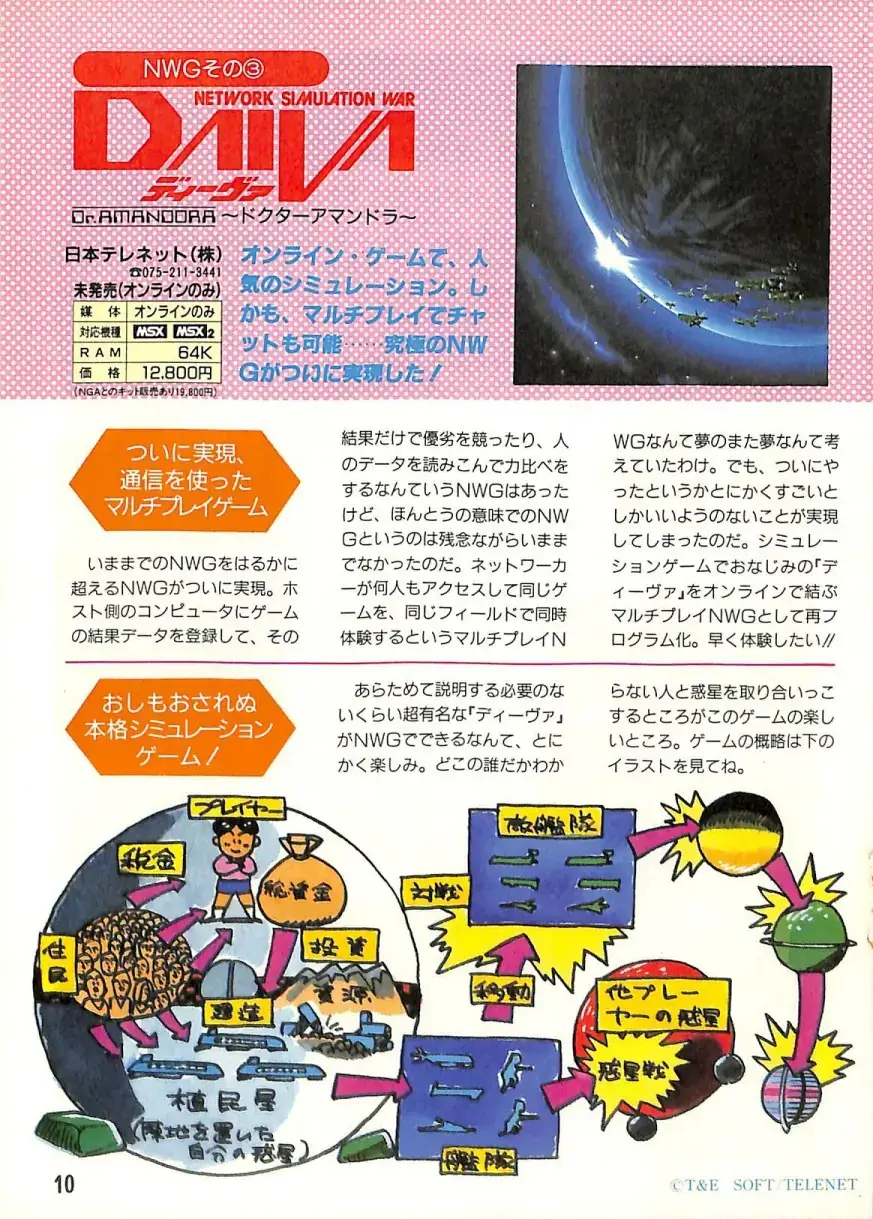
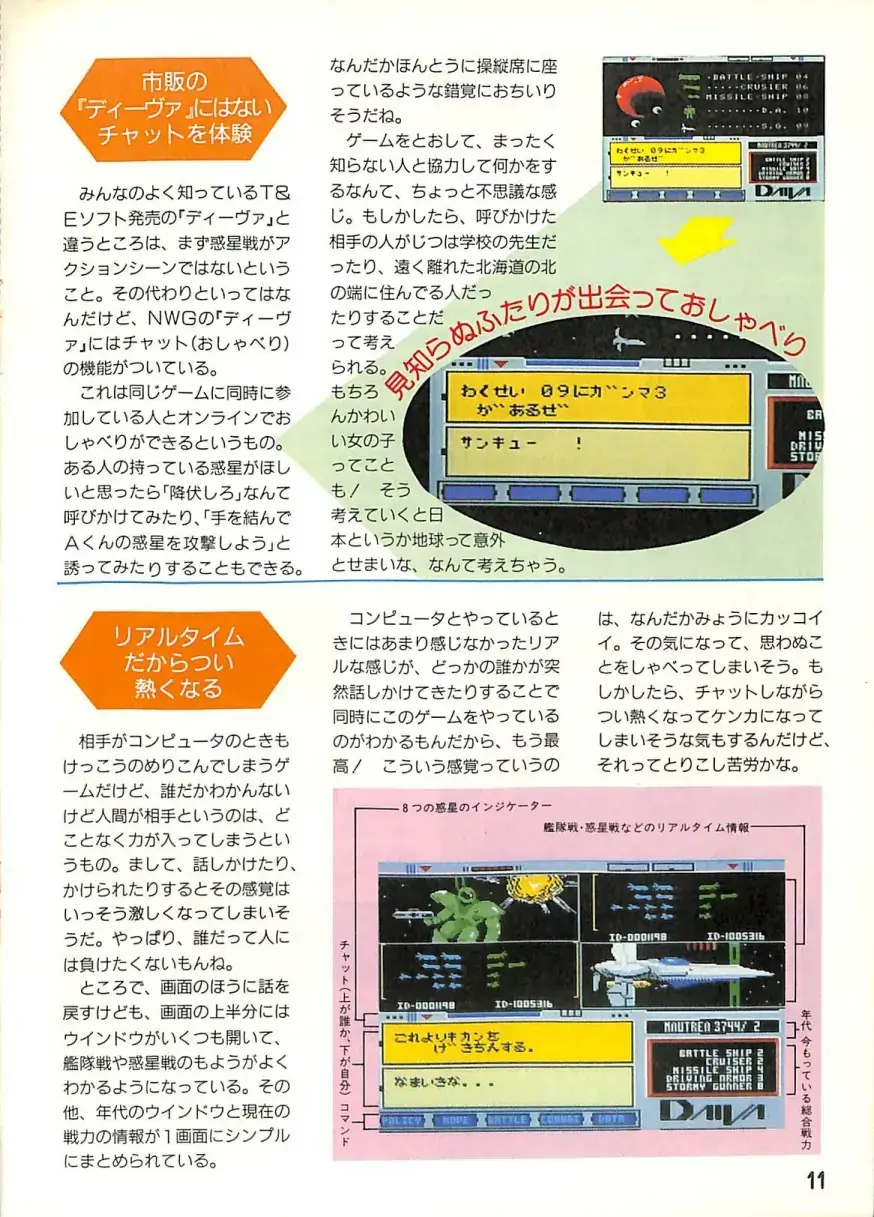
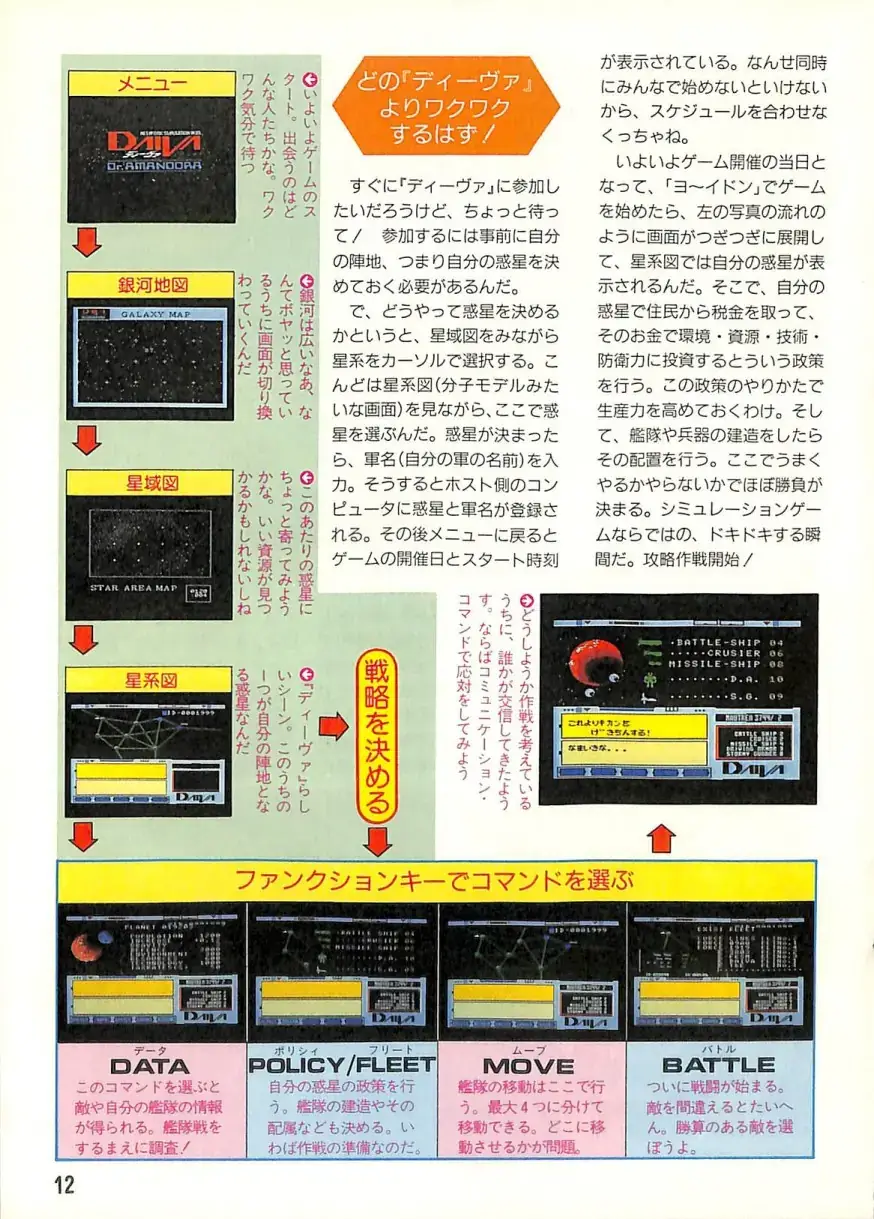
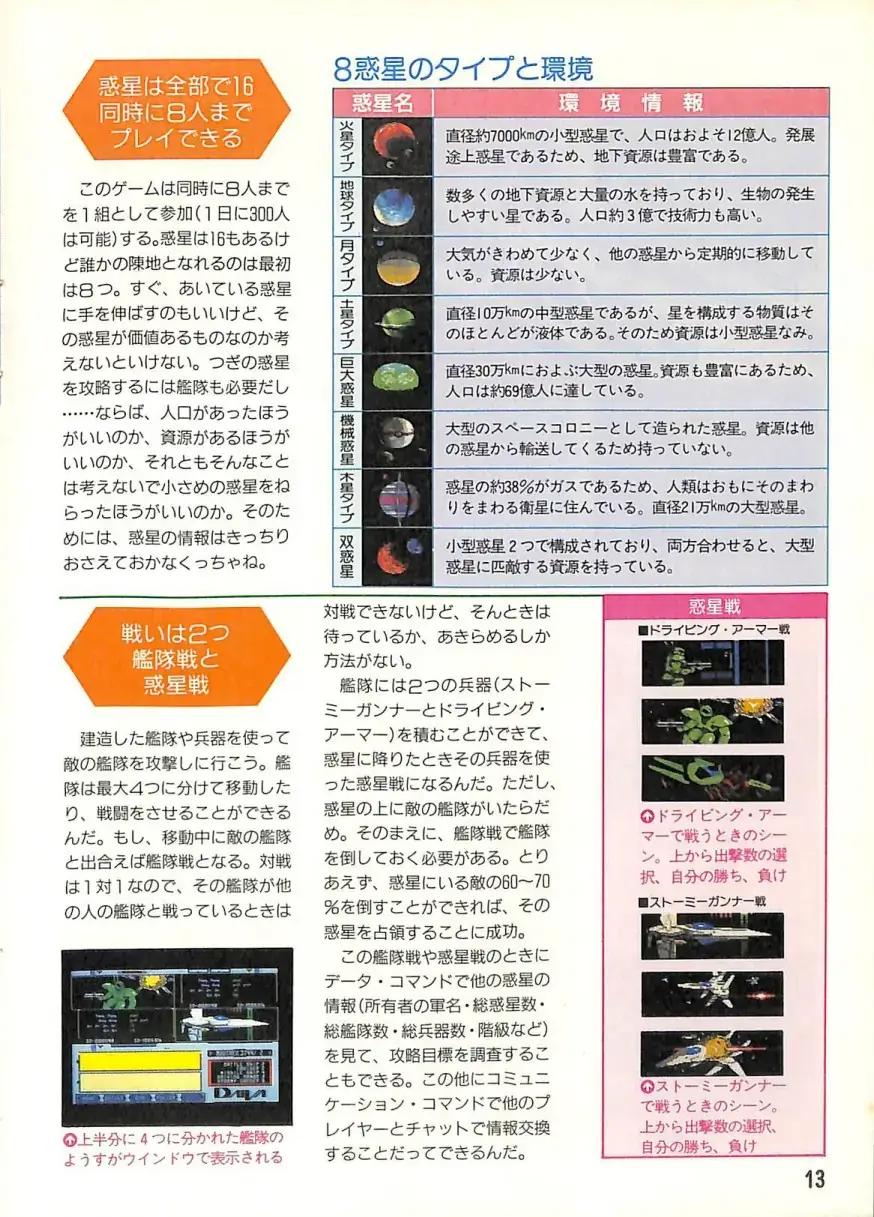
Article on DAIVA Dr. Amandora in MSX-FAN / MSX Exclusive Communication, December 1987. The game is presented as a MSX/MSX2 compatible Network Simulation War, designed for Nihon Telenet's THE LINKS network. Despite these catches and this advanced communication, the project will eventually be cancelled.
The catches published in MSX-FAN suggest that the project was already advanced enough to be presented to the press. But no known playable version seems to have resurfaced to date. The only business element associated with Dr. Amandora remains the T packageHE LINKS, sold with the modem NT-190but without the ROM of the game.
References and useful links used in the drafting of the article:
Interview with Yasuo Yoshikawa on Time Extension
A very complete article by John Szczepaniak about DAIVA, with an interview with Yasuo Yoshikawa, creator of the series. Major source to understand the intention of the project, parallel development on several machines, interversion password system and particularly difficult production conditions.
Japanese page DAIVA on Wikipedia
Useful to cross-check Japanese titles, media, release dates, protagonists, specificities of each episode, information about DAIVA Dr. Amandora and mythological references used by the series.
DAIVA Chronicle Re: on Project EGG / Fun Center
Page dedicated to the modern compilation of episodes of DAIVA. Interesting for the summaries of the various chapters, the media concerned and the context of the saga.
DAIVA Story 4: Asura
MSX version sheet, with support information, editor, format, period price, required configuration and publication references.
DAIVA Story 5: The Cup of Soma on Generation MSX
MSX2 version file with support information, 3.5 inches diskette, required configuration, period price and publication references.
DAIVA Dr. Amandora on Generation MSX
Factsheet on the online project planned for MSX/MSX2 via THE LINKS. The game has remained new, but this page allows to document its existence and its link to NT-190 LINKS modem.
MSX-FAN / MSX Exclusive Communication, December 1987
Very interesting document to illustrate DAIVA Dr. Amandora. The pages dedicated to the project show the "Network Simulation War DAIVA" logo, interface captures and explanations of the planned operation of the network game.
DAIVA Story 7 on PC-9801, page by Gyusyabu
Japanese page useful for documenting DAIVA Story 7: Light of Kali Yuga on PC-9801, including its more simulation oriented approach and its differences with other versions.
Japanese article on DAIVA and the differences between versions
Souvenir page / analysis mentioning in particular the differences of structure between the episodes, with an interesting remark on the disappearance of the action in version PC-9801.
Press release D4 Enterprise / EGG project on DAIVA Story 7
Communiqué related to the DAIVA Story 7 spring on Project EGG, useful to confirm the more strategic structure of episode PC-9801.
Micro News n°24, September 1989
French test DAIVA Story 5 : The Cup of Soma on MSX, page 38. Interesting especially to measure the gap between the French reception of the game and the real ambition of the saga in Japan.
Technopolis documents, November 1987
Two pages of Technopolis n°64 were used to complete the article: a backup modification tip for DAIVA Story 5 on MSX2, and a "full win" method for DAIVA, valid for all versions except Famicom. These documents show how the Japanese press treated DAIVA as a complex, technical and truly strategic game.
Share on your networks
T&E Soft's DAIVA: the crazy saga that wanted to reconcile all Japanese computers